Sacagawea (c. 1788–1812, although some later traditions give a much longer life) was a Lemhi Shoshone woman whose participation in the Lewis and Clark Expedition made her one of the best-known Indigenous figures associated with the exploration of the American West. As a girl she was captured by a Hidatsa raiding party and taken from her Shoshone homeland to the villages on the upper Missouri River. She later became the wife of the French-Canadian trader Toussaint Charbonneau. When Meriwether Lewis and William Clark wintered near the Mandan and Hidatsa villages in 1804–05, they employed Charbonneau as an interpreter and recognised the additional value of Sacagawea’s knowledge of Shoshone languages and territory. She joined the expedition westward in 1805 while carrying her infant son, Jean Baptiste Charbonneau, and travelled with the Corps of Discovery to the Pacific and back.
Sacagawea’s importance lay less in the later romantic image of her as a solitary “guide” leading the expedition across an unknown continent than in the practical assistance she provided at crucial moments. She could communicate with Shoshone people and participated in a chain of interpretation that allowed Lewis and Clark to negotiate with communities whose languages they did not speak. Most significantly, when the expedition needed horses to cross the Rocky Mountains, the Shoshone chief Cameahwait whom they encountered proved to be Sacagawea’s brother. This family connection helped establish trust during negotiations for horses, supplies and assistance. She also recognised landmarks, contributed knowledge of local foods and helped recover important documents and equipment when one of the expedition’s boats nearly overturned. Her presence travelling with a baby could also reassure Indigenous communities that the heavily armed party was not simply a war party. After the expedition Sacagawea’s life becomes much more difficult to reconstruct. She and Charbonneau spent time around St Louis, where William Clark took a particular interest in the education of their son Jean Baptiste. The conventional historical account holds that Sacagawea died in 1812 at Fort Manuel on the Missouri River, probably from illness, although later Shoshone oral traditions maintained that she survived for many decades and eventually returned to her people. During the nineteenth and twentieth centuries she was transformed into a national symbol of exploration, cooperation and western expansion. She was particularly celebrated by women involved in the American suffrage movement, who presented her as evidence of women’s contribution to the nation’s history. This later commemoration sometimes obscured both the limited documentary evidence about her life and the much more complicated Indigenous experience of the westward expansion that the Lewis and Clark Expedition helped to encourage.
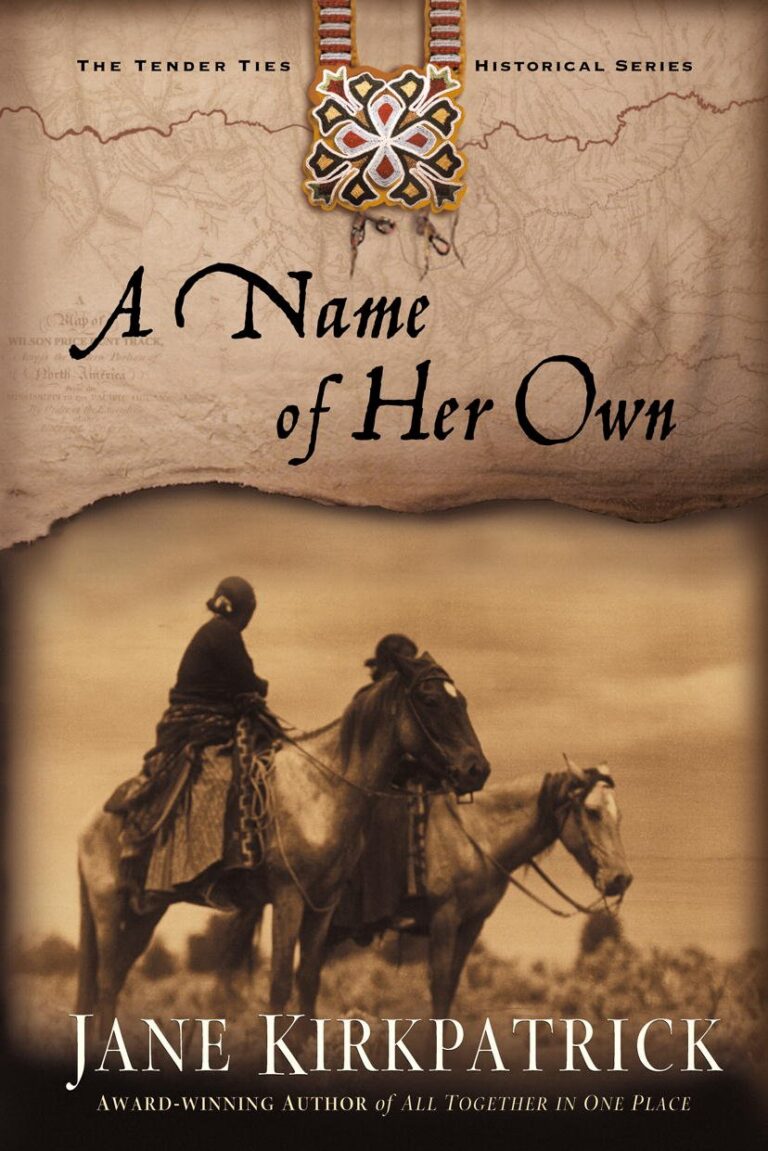
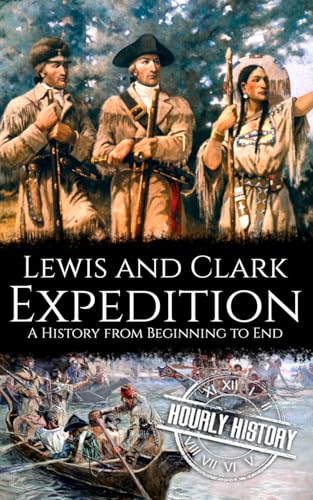
Hourly History’s Lewis and Clark Expedition explains Thomas Jefferson’s aims, the leadership of Meriwether Lewis and William Clark and the crucial assistance of Sacagawea and many Indigenous communities. In Jane Kirkpatrick’s A Name of Her Own, Marie Dorion refuses to remain in St Louis when her husband joins the 1811 Pacific Fur Company expedition, taking two young sons across the continent through unfamiliar country and unstable leadership. Along the route she meets Sacagawea, another Indigenous mother whose experience gives Marie friendship and warning.