
Historical person
Juana I of Castile
1479–1555
Juana I of Castile was the third surviving child of Isabella I of Castile and Ferdinand II of Aragon. Her 1496 marriage to Philip of Habsburg linked the Spanish kingdoms to the Burgundian-Habsburg world, and the unexpected deaths of older siblings made her heir to Castile. She became queen in 1504, but her husband, father and eventually her son all sought to govern through or around her, turning questions about her capacity and emotional state into instruments of dynastic politics.
Philip died suddenly in 1506, after which Ferdinand resumed control of Castile and confined Juana at Tordesillas from 1509. When Ferdinand died in 1516, Juana also inherited Aragon, but her son Charles ruled in her name and built the wider Habsburg monarchy associated with Charles V. Rebels in the Comuneros revolt briefly appealed to her authority in 1520, yet she did not displace Charles. She remained queen in title until her death in 1555, and modern historians treat the traditional image of “Juana the Mad” with considerable caution.
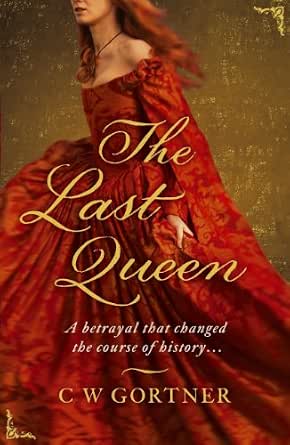
In C. W. Gortner’s The Last Queen, Juana of Castile expects to remain a dynastic princess when she is sent to marry Philip of Habsburg, but a sequence of deaths makes her heir to her mother Isabella’s crown.
Standalone books
Standalone books featuring Juana I of Castile (1 book)