
Historical person
Lord George Gordon
1751–1793
Lord George Gordon was a British politician and leader of the Protestant Association. In 1780 he presented a petition against limited relief granted to Catholics, and the mass demonstration that followed developed into the destructive Gordon Riots across London.
Gordon was tried for treason but acquitted because the prosecution could not prove that he intended the violence. He later converted to Judaism and died in Newgate Prison after refusing conditions attached to bail in a separate case. Gordon had entered Parliament in 1774 as member for Ludgershall, but the anti-Catholic agitation of 1780 eclipsed his earlier parliamentary career and permanently attached his name to the riots.
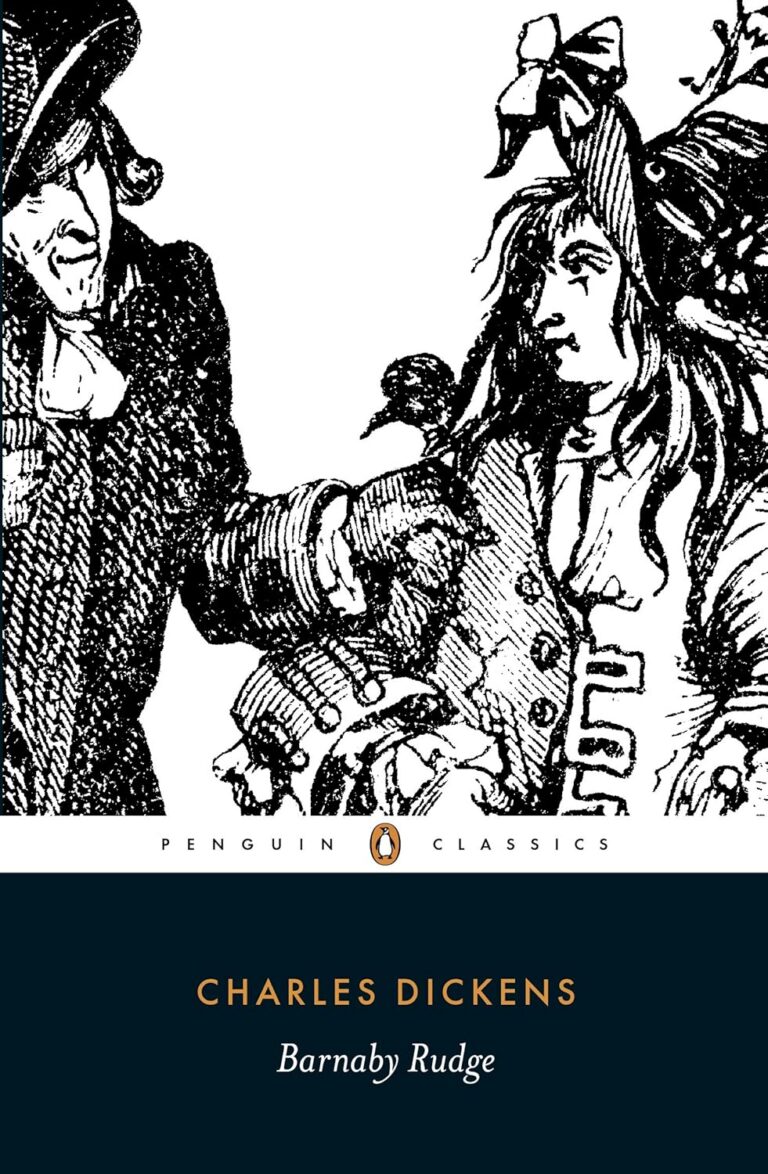
Charles Dickens makes Lord George Gordon a historical catalyst in Barnaby Rudge. Gordon’s Protestant agitation provides the political spark for the Gordon Riots of 1780, after which the fictional Barnaby is swept into a crowd that attacks prisons, chapels and private houses across London. Dickens does not make Gordon the novel’s sole villain; instead his public campaign becomes part of a wider study of how sectarian prejudice, political rhetoric, criminal opportunity and crowd psychology can turn protest into uncontrolled violence.
Standalone books
Standalone books featuring Lord George Gordon (1 book)