Historical person
Gaiseric
c. 389–477
Gaiseric, also known as Genseric, was king of the Vandals and Alans and the founder of a powerful kingdom in Roman North Africa. He became king in 428 and the following year led his people from Hispania across the Strait of Gibraltar into Africa. Exploiting Roman civil conflict and military weakness, the Vandals expanded eastward and in 439 seized Carthage, giving Gaiseric control of one of the western Mediterranean’s richest cities and an important naval base.
From Carthage, Gaiseric built a maritime power that threatened Roman communications and territories across the Mediterranean. His forces famously entered and plundered Rome in 455, though later accounts exaggerated the violence of the sack. He repeatedly used diplomacy, dynastic marriage and naval warfare to protect Vandal independence, eventually securing recognition from the eastern emperor Zeno in 474. A committed Arian Christian, he also restricted the Nicene church within his kingdom. Gaiseric died in 477 after nearly half a century of rule.
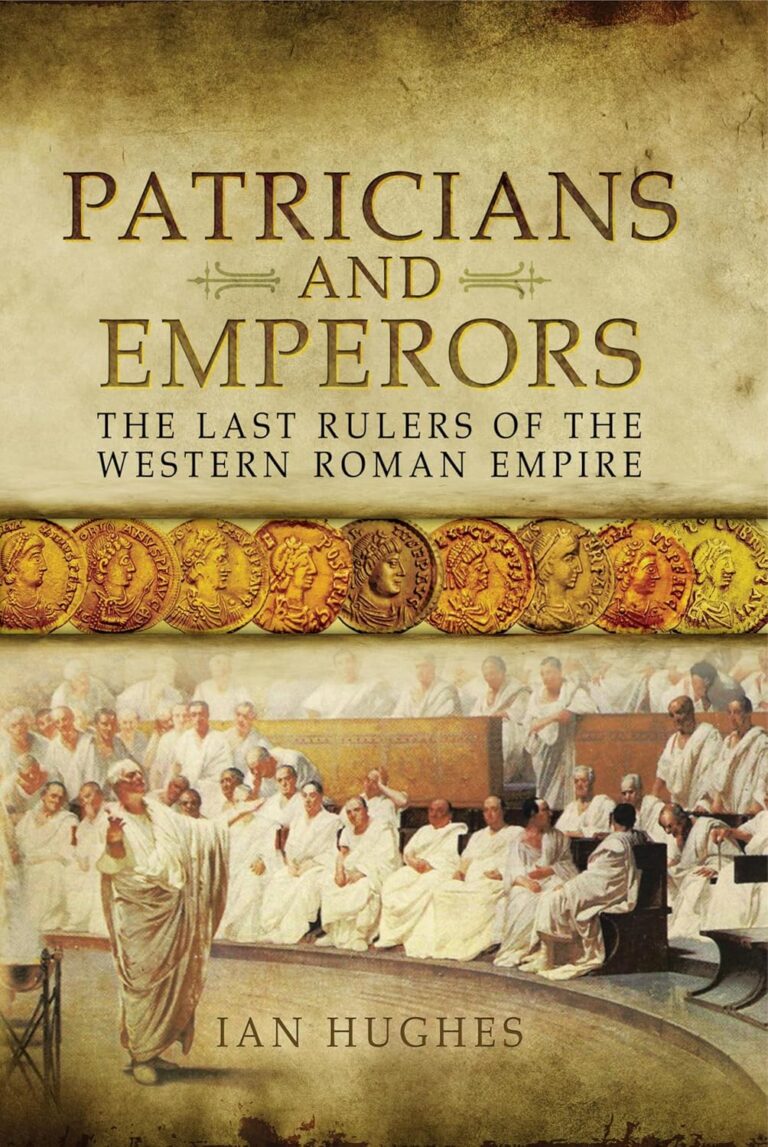
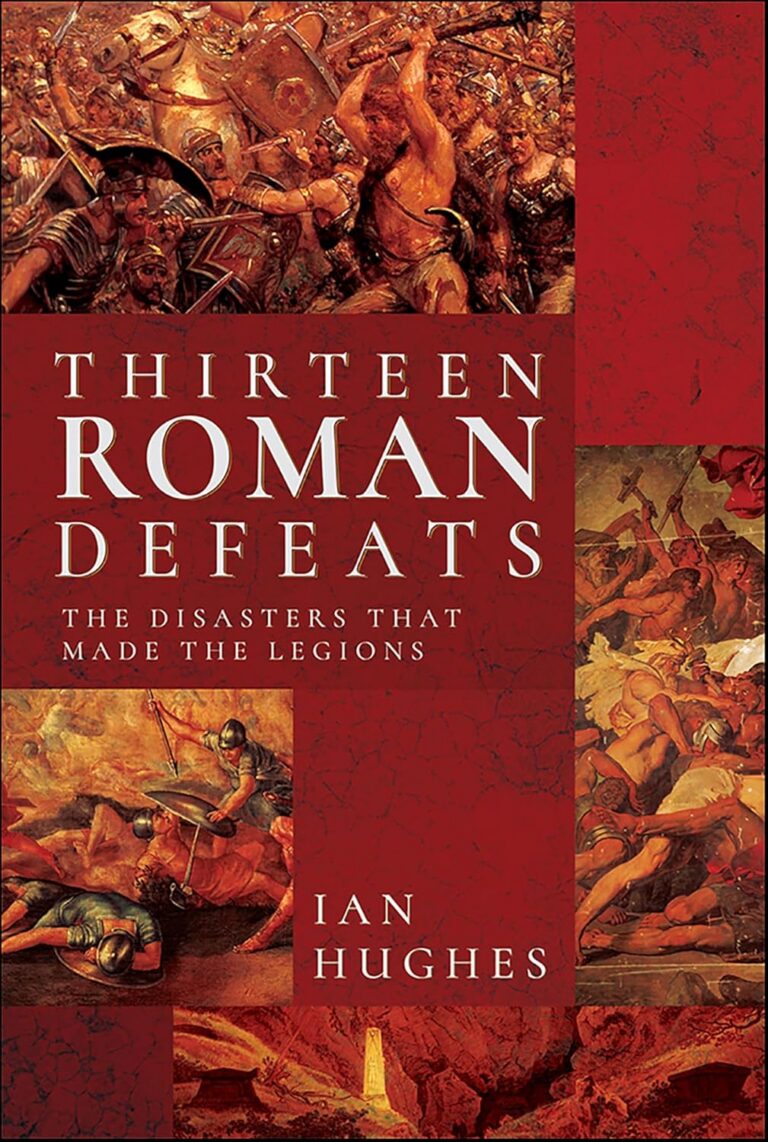
Ian Hughes approaches Gaiseric from several complementary angles. Gaiseric follows his transformation of the Vandals and Alans into rulers of Roman Africa, the seizure of Carthage, the sack of Rome in 455 and the creation of a naval power able to dominate the western Mediterranean. Aetius shows what the loss of Africa meant for the general trying to preserve the Western Empire elsewhere. Patricians and Emperors places Gaiseric among the powers exploiting the political instability after Valentinian III’s death and examines the failed Roman attempt to recover Africa. Thirteen Roman Defeats returns to the catastrophic expedition against him at Cape Bon in 468, when the destruction of the imperial fleet confirmed the strategic durability of his kingdom.
Non Fiction
Non Fiction featuring Gaiseric (4 books)
Biographies, histories and other non-fiction are listed separately from the historical novels above.