Zhu Yuanzhang was the founder of the Ming dynasty and ruled China as the Hongwu Emperor from 1368 to 1398. Born into an impoverished peasant family, he became a Buddhist novice after famine and disease destroyed his household, joined the Red Turban rebellion and rose to defeat rival warlords and expel the Yuan court. As emperor he rebuilt state institutions but governed through severe laws, purges and close personal control.
As the Hongwu Emperor, Zhu sought to restore agricultural production and impose close central supervision after the disruption of late Yuan rule. He reduced the power of the chief minister, expanded direct imperial control over administration and carried out repeated purges of officials and military elites whom he suspected of disloyalty. The highly centralised institutions and social regulations created under his reign shaped Ming government long after his death.
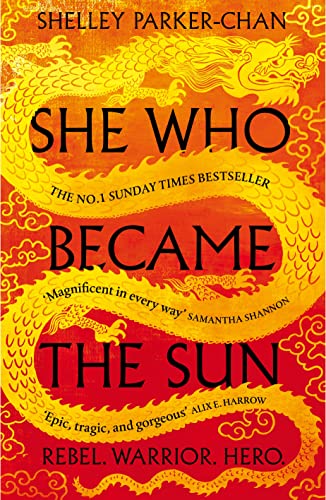
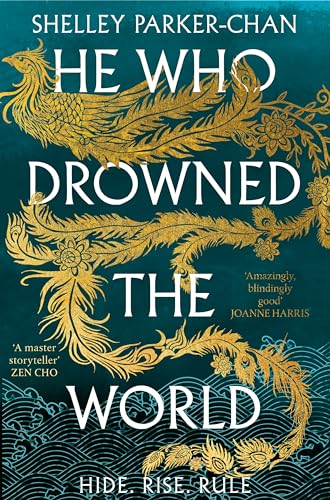
In Shelley Parker-Chan’s He Who Drowned the World, After tearing a kingdom in southern China from Yuan control, Zhu Yuanzhang is no longer satisfied with survival or regional power: she intends to become emperor. In Shelley Parker-Chan’s She Who Became the Sun, The novel reimagines the early career of Zhu Yuanzhang, the peasant rebel who became the Hongwu Emperor and founded the Ming dynasty.