Books
Phase
Monastic Europe
c. 500–1500 CE
Monasteries were central institutions throughout the medieval period. They preserved and copied texts, held land, educated clerics, offered hospitality, cultivated estates, prayed for patrons, and influenced politics. Different orders, from Benedictines to Cistercians and later mendicants, reflected changing ideals of religious life.
This phase matters because monasteries connected spiritual ambition with worldly power. They were places of devotion, discipline, scholarship, wealth, conflict, and sometimes corruption. They also provide a window into literacy, medicine, agriculture, art, and the everyday routines of medieval society.
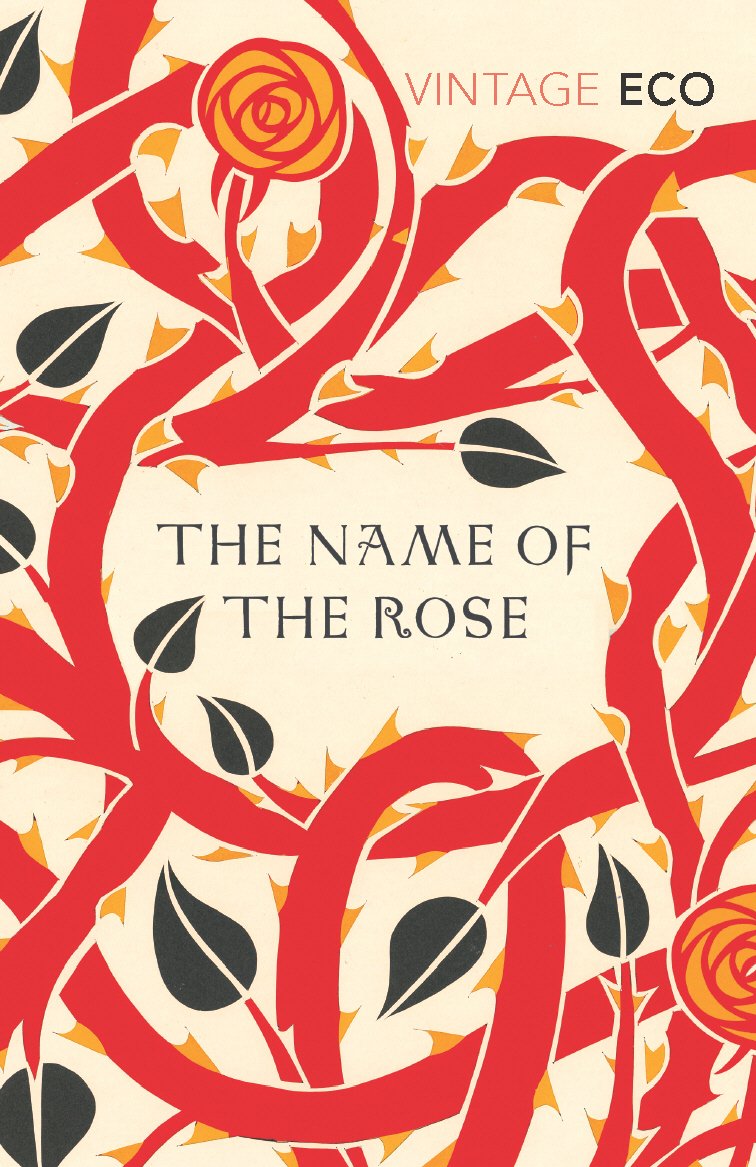
Ellis Peters’s Cadfael series and Umberto Eco’s The Name of the Rose are the obvious fiction anchors for monastic settings. Ariana Franklin’s medieval mysteries and C. J. Sansom’s later Dissolution also connect to monastic life and its afterlife. This setting suits murder mysteries, manuscript plots, herbal medicine, confession, hidden politics, and enclosed communities.